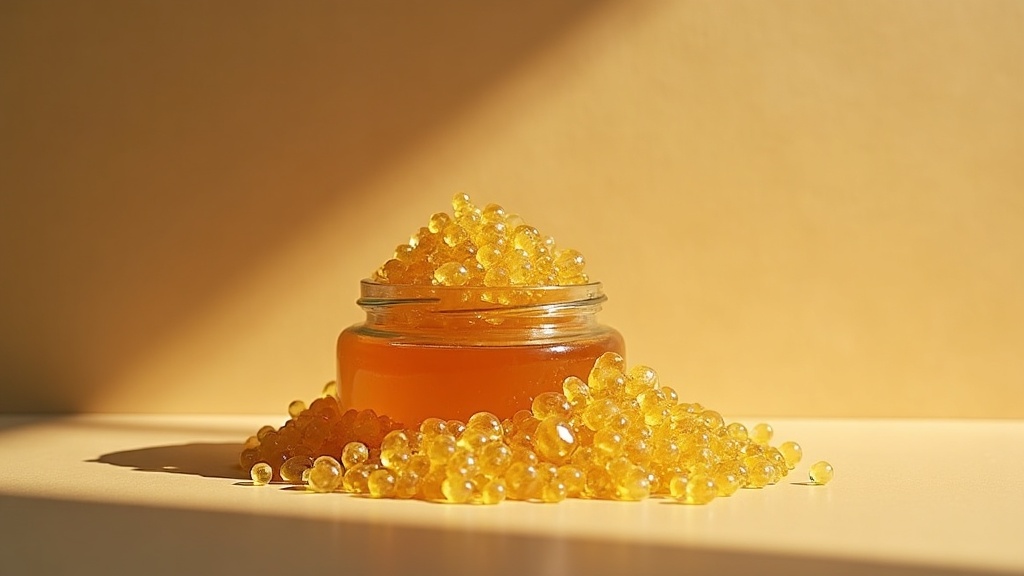
Long before glucose apps and food trackers, home cooks leaned on simple routines passed down through generations — recipes like Biblical drink (oil)/ Honey blend among them — as part of everyday cooking, not medicine. This page looks at that tradition and the daily habits many people build around meals.
For anyone paying close attention to their meals, certain moments in the day tend to repeat. Here are four that come up often.
Grocery aisles are full of conflicting advice. Deciding what belongs on the plate can feel more complicated than it should.
A heavy lunch is sometimes followed by an energy dip that makes the rest of the day feel harder to push through.
Even after a full night's sleep, some mornings begin with a sluggishness that seems tied to the day before's meals.
Choosing each meal, three times a day, adds up. Many people describe it as a quiet mental load that never fully switches off.
A few ideas about carbohydrates, fruit, and ‘special’ food circulate often. Here is a plain look at each.
All carbohydrates affect a meal the same way.
Whole-food carbohydrates eaten alongside fiber and protein behave differently on the plate than refined, isolated ones. Variety and pairing matter more than one single label.
Fruit should be avoided entirely by anyone watching their meals.
Whole fruit, eaten mindfully and in reasonable portions, has been part of traditional home meals for generations. It’s a food, not a forbidden category.
You need special ‘diabetic’ packaged products to eat well.
Home-style, whole-food meals have a long tradition without needing a special label. A registered dietitian or your doctor can help tailor choices to your own routine.
These are habits tied to how a meal is eaten, not what pill or product is taken. As always, any change to your routine is worth discussing with the healthcare provider who knows your history first.
Some traditional cooks served vegetables and protein before the starchier parts of a meal. It’s a simple sequencing habit, not a rule carved in stone.
Eating slowly, chewing fully, and letting a meal take its time is an old habit that modern fast-paced schedules have quietly pushed aside.
A short walk after eating — once a common evening habit in many households — is a gentle routine some people choose to bring back.
Long before modern kitchens, combinations of oil and honey appeared in old texts and household recipe books as a comforting preparation, often stirred together and kept on the pantry shelf. Grandmothers in many culinary traditions passed down their own version, sometimes warmed, sometimes mixed into tea or bread, as part of the everyday rhythm of the kitchen — alongside olives, grains, and other staples of the table. It was treated as a homestyle recipe, tied to hospitality and comfort, not as a remedy or a mechanism explained in scientific terms.
The value of this story is cultural: it shows how a simple pantry combination became a lasting kitchen tradition, carried forward today as a recipe to enjoy — not as a substitute for anything your doctor has recommended.
Adding movement to your day is generally a good habit, but it's worth mentioning any new routine to the healthcare provider who tracks your overall health.
Shift work, travel, or a new schedule can shift when and how you eat. Bring these changes up with your doctor so your care plan stays aligned with your routine.
Whether it's a traditional preparation like Biblical drink (oil)/ Honey blend or something else new, mention it to your doctor, especially if you take any prescribed medication.
Fatigue that feels different from your normal pattern is worth describing to the professional who knows your medical history.
A meaningful shift in hunger or thirst, in either direction, is a detail your doctor should hear about directly rather than something to interpret alone.
Never adjust, pause, or replace a prescribed treatment on your own. Any question about your medication belongs in a conversation with your prescribing doctor.
These are individual accounts shared for illustrative purposes only. Experiences vary, and these stories are not a guarantee of any particular outcome. They do not describe medical results and should not be used to make decisions about treatment.
Explore the story behind Biblical drink (oil)/ Honey blend and see how simple, old-fashioned meal habits fit into everyday life. As always, keep up with your regular medical care and talk to your doctor before changing your diet, routine, or any prescribed treatment.
Advertising Disclosure: This page contains sponsored content and affiliate links. We may receive compensation if you make a purchase or take action through links on this page. This helps support the creation of educational content on this site.
Content Disclaimer: This content is for educational purposes only and has not been evaluated by the FDA. It is not intended to diagnose, treat, cure, or prevent any disease, and it does not substitute for professional medical advice, diagnosis, or treatment. Always consult a qualified healthcare professional before changing your diet, routine, or any prescribed treatment.
Results Disclaimer: Individual results vary. Testimonials and stories shared on this page reflect personal experiences and are not a guarantee of similar outcomes for anyone else.
© 2026 · All Rights Reserved